
featured Project
Jack’s Spot Café
Retail Tenant Improvement – Vancouver, BC
Project Overview
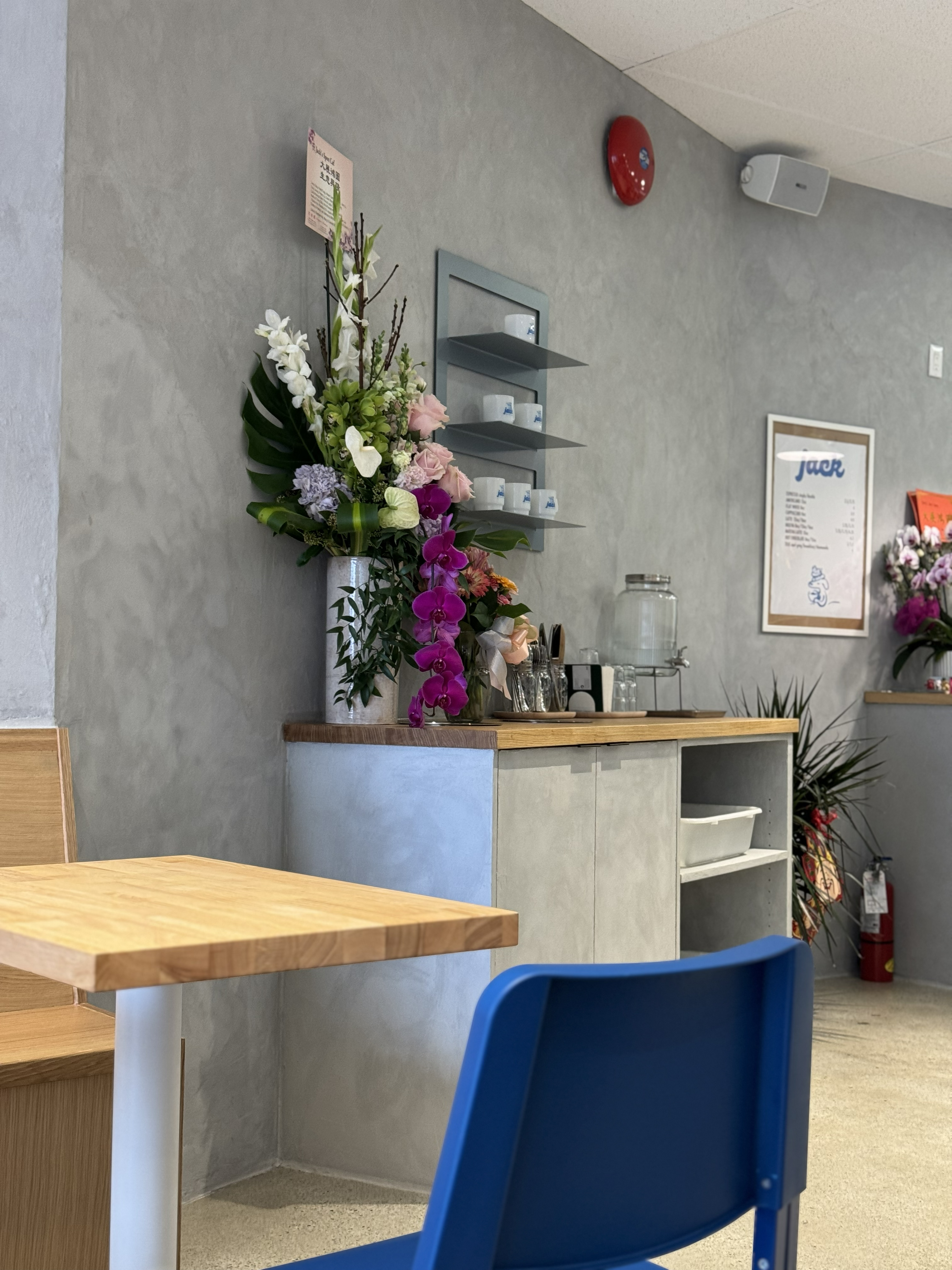
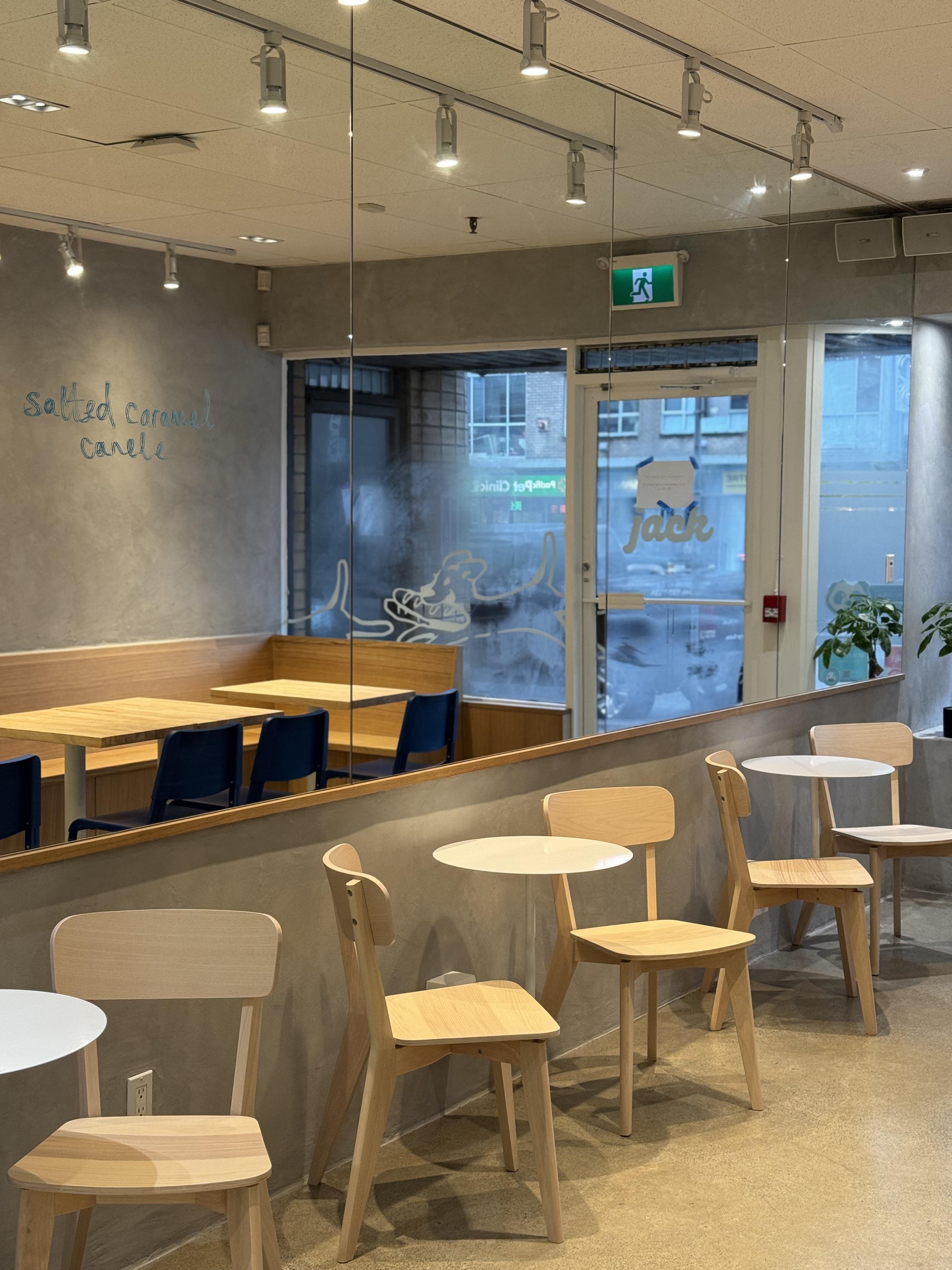
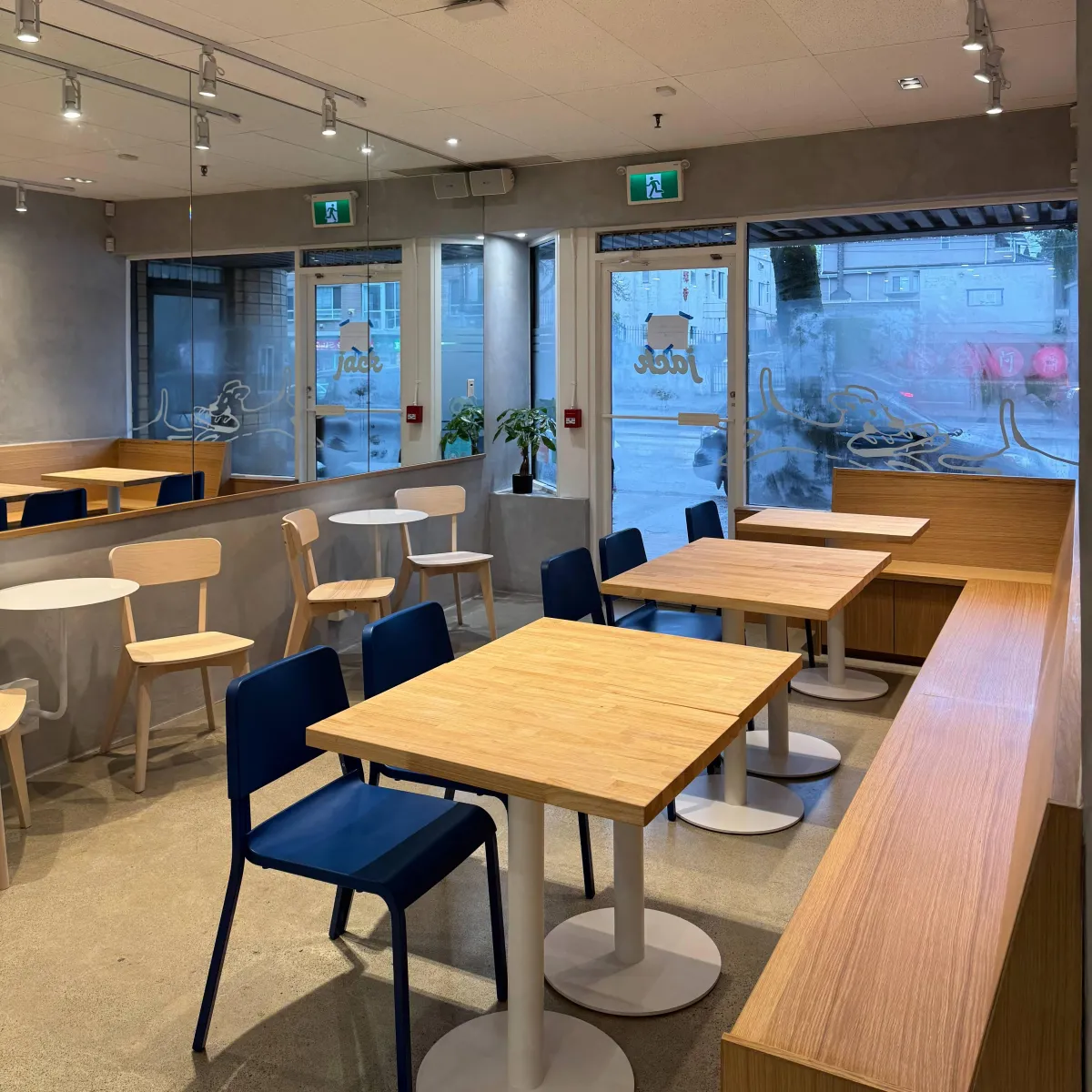
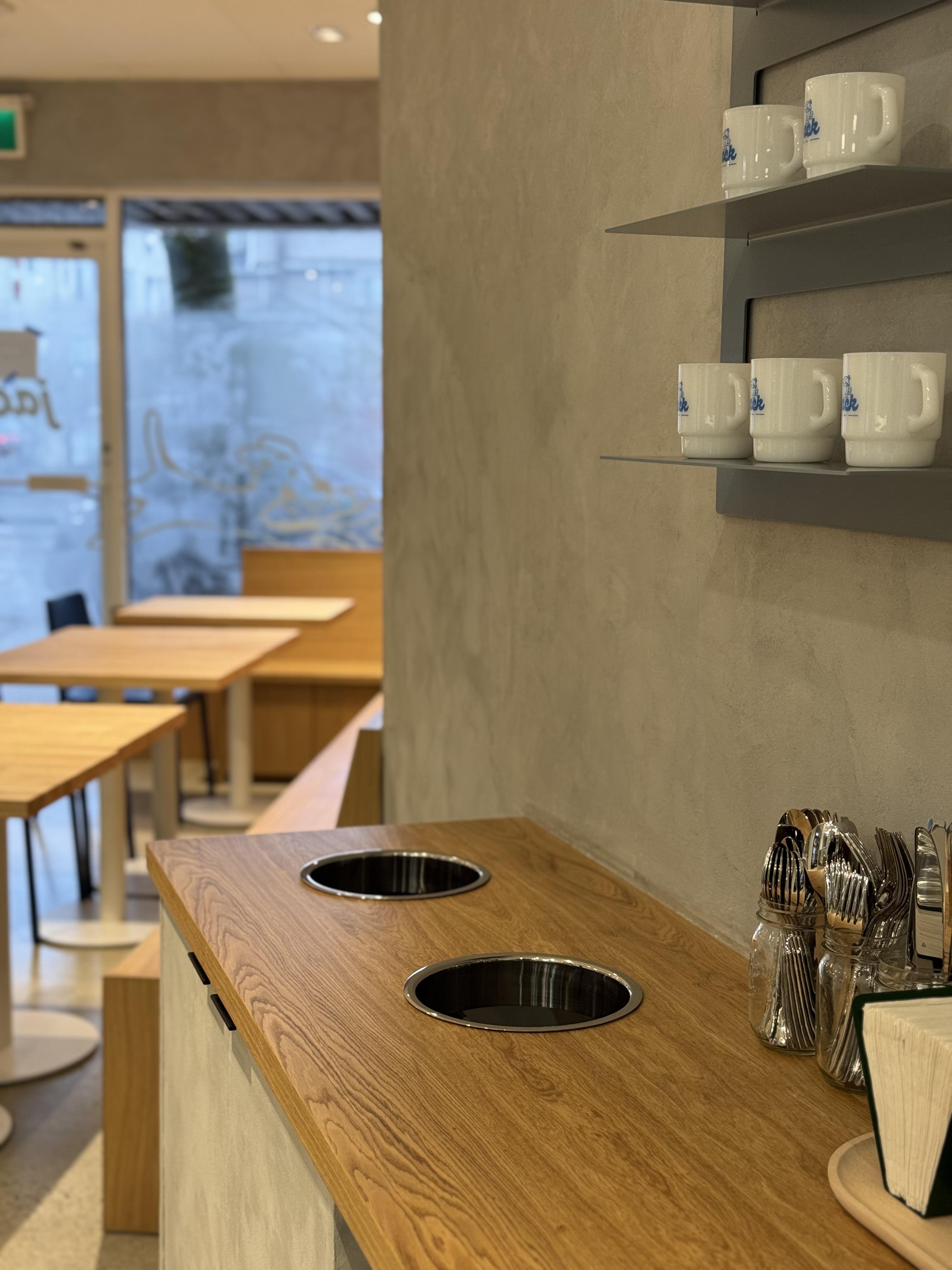
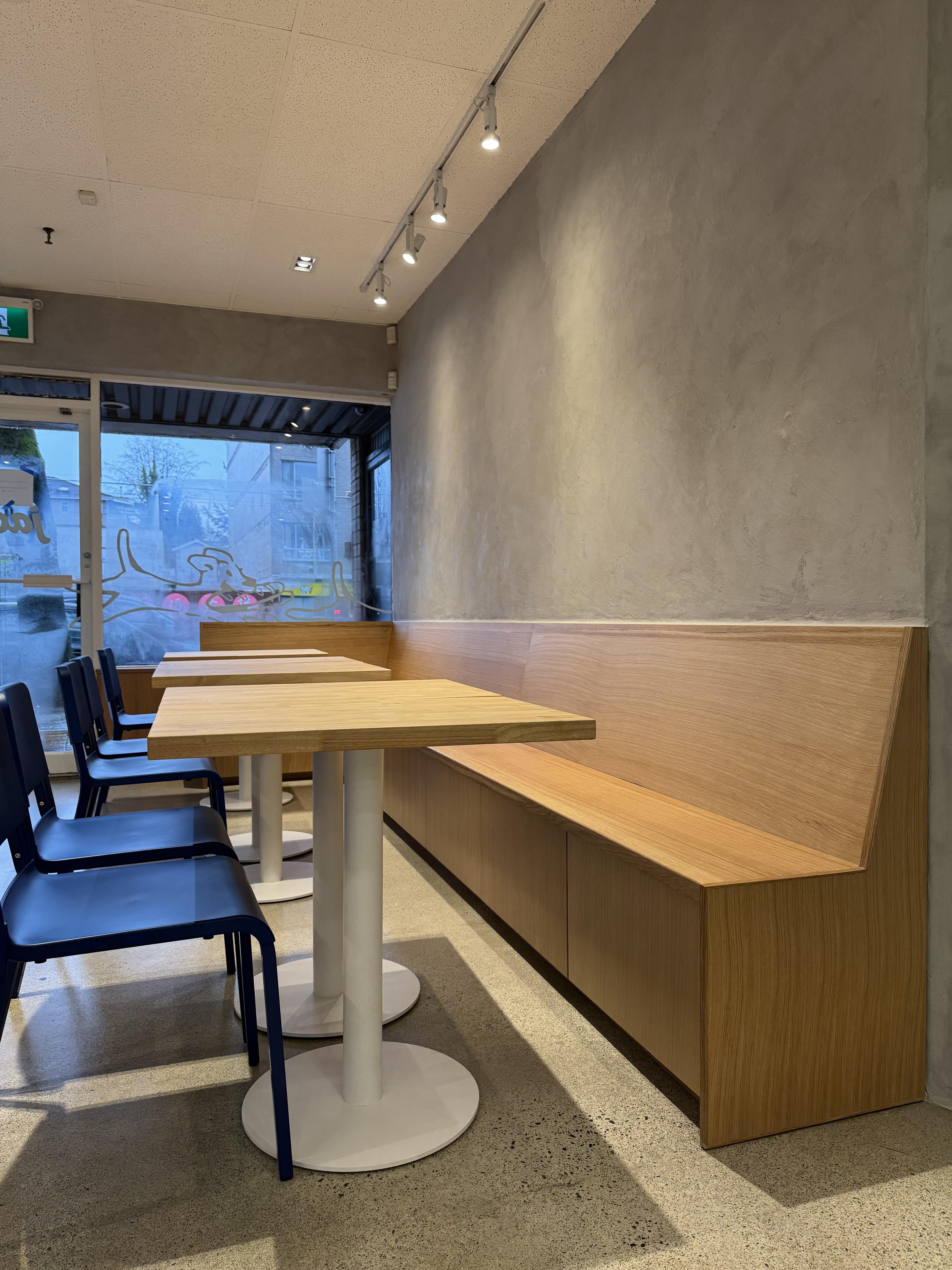
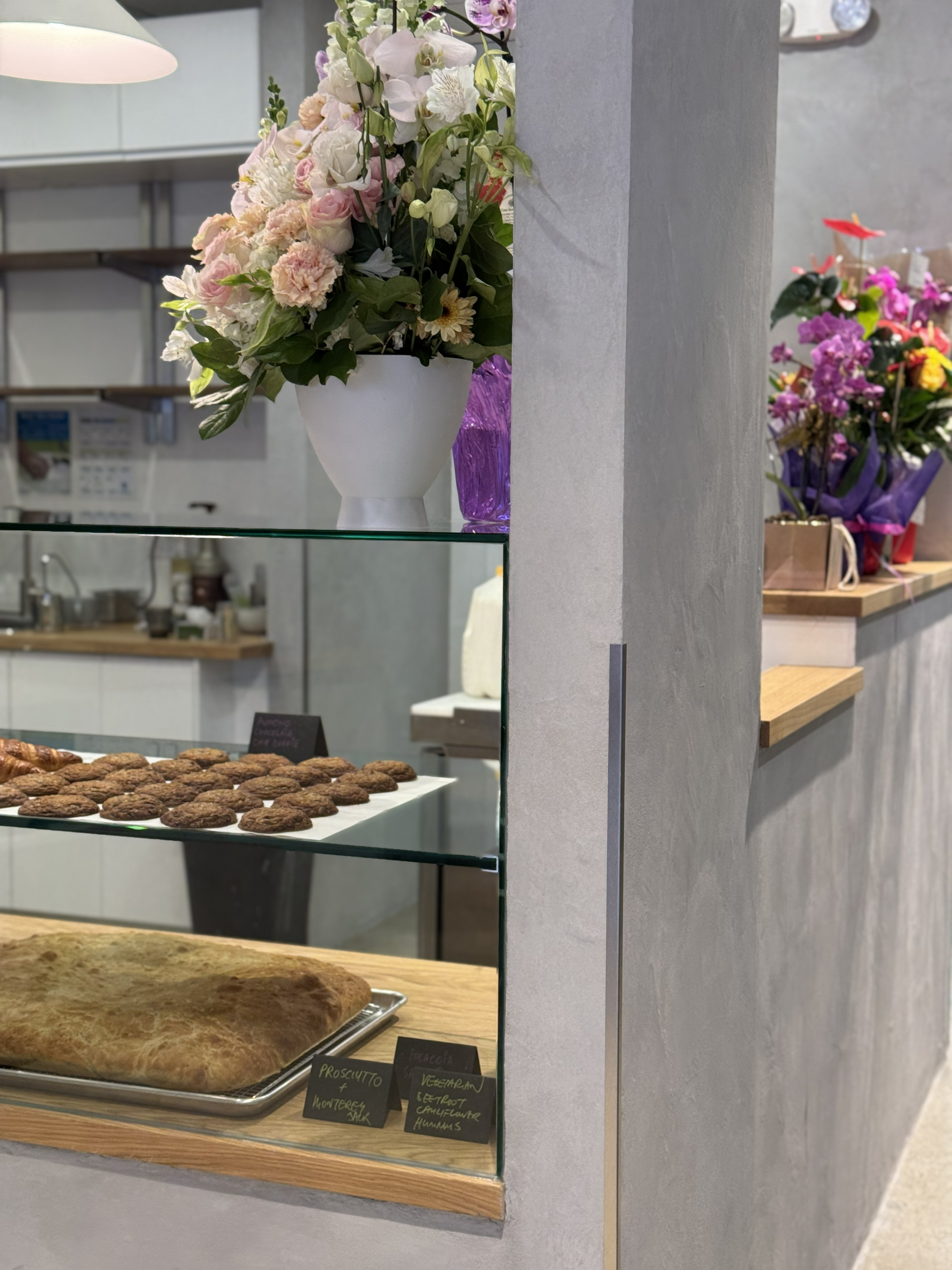
This project involved the interior build-out of a 1,115 sq. ft. café and bakery space in Vancouver. The objective was to transform an existing commercial unit into a fully operational food-service environment within a defined lease timeline.
Delivered under a fixed-price contract, the project required coordination between design intent, mechanical upgrades, trade sequencing, and municipal inspection requirements.
The space was completed within an 8-week construction timeline and prepared for operational turnover.
Project Snapshot
Location: Vancouver, BC
Project Type: Retail – Café / Bakery
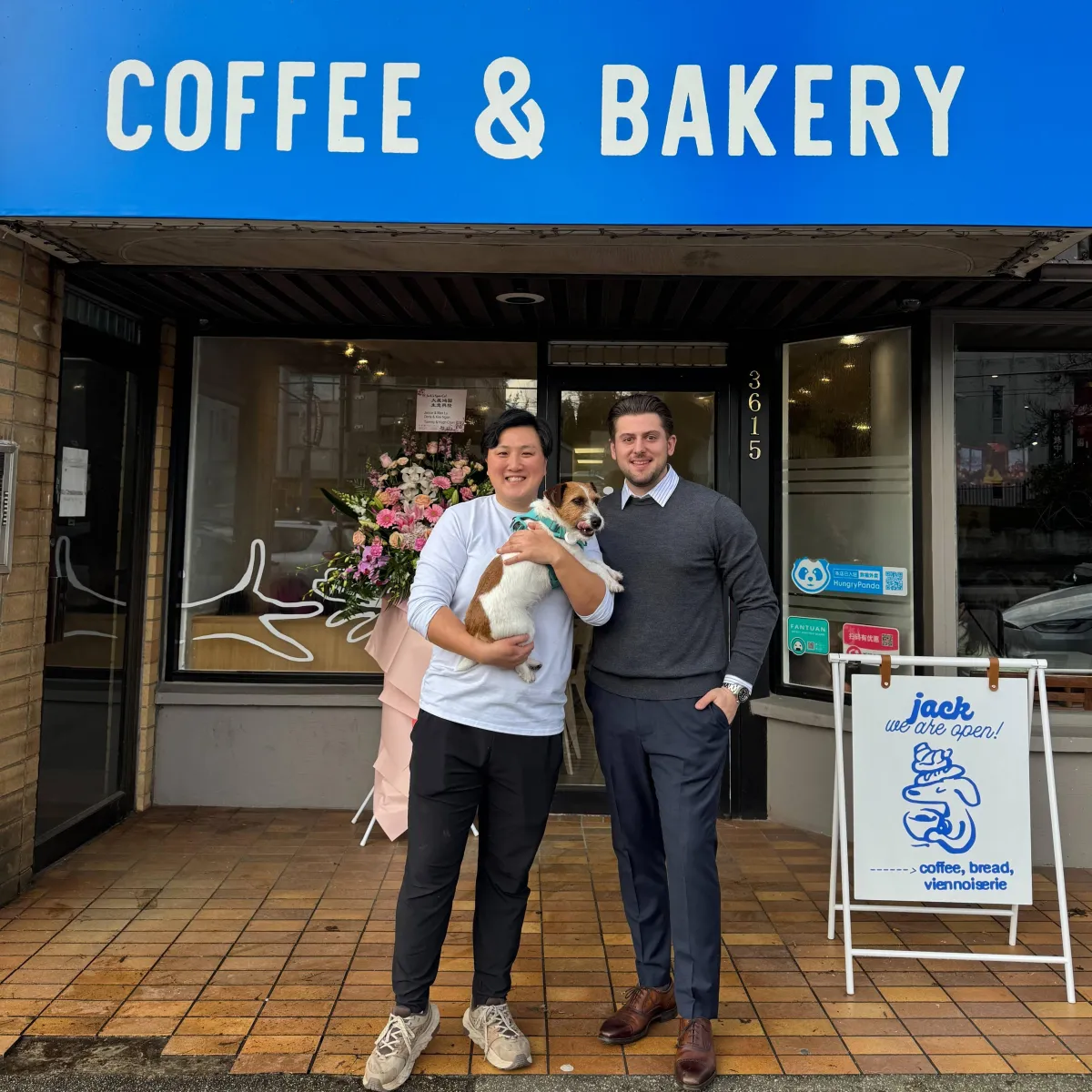
Client: Jack’s Spot Café
Size: 1,115 sq. ft.
Timeline: 8 Weeks
Delivery Model: General Contracting – Fixed Price Contract
The Objective
The primary objective was operational readiness within a defined opening schedule. As a café environment, construction decisions were evaluated based on infrastructure reliability, food-service compliance, and daily workflow efficiency.
Key priorities included:
Reliable mechanical and plumbing performance for café equipment
Clean inspection approvals aligned with food-service standards
Durable commercial-grade finishes suited to retail traffic
Clear landlord-tenant scope boundaries
Execution was structured to support a smooth opening rather than post-completion adjustments.
Our Approach
Predictability was achieved through preparation.
Scope Definition
Responsibilities between landlord and tenant were clarified early to prevent mid-project revisions.
Permit Coordination
Work was executed under required trade permits (mechanical, plumbing, and electrical).
Trade Sequencing
Mechanical, plumbing, electrical, and finishing trades were scheduled deliberately to support inspection progression and avoid rework.
Structured Oversight
Communication, supplier coordination, and milestone tracking were maintained throughout the 8-week build.
Execution followed structure.
Results & Operational Impact
At completion, the project delivered:
Inspection-ready turnover
Alignment with the planned opening timeline
Fully operational kitchen and service systems
Reduced post-completion deficiencies
The space was prepared for immediate business use upon turnover.
Proven Municipal Experience
This project was completed under the permitting authority of the City of Vancouver. Familiarity with local trade permit processes, inspection sequencing, and food-service compliance standards informed how documentation and scheduling were structured.
Permit coordination was integrated into the project plan from the outset, with trade-specific approvals incorporated into sequencing rather than treated as a separate administrative step.
Planning a Similar Tenant Improvement?
If you are planning a commercial tenant improvement for a cafe or restaurant in Vancouver, early clarity will determine how smoothly the project progresses.
Speak with a Dulex project manager to review scope, timelines, and next steps.
Detail-Driven Tenant Improvements, Professionally Managed.
Project Insights
What Was Included in This Tenant Improvement?
This café build-out included:
• Interior layout reconfiguration
• Plumbing and drainage coordination for food-service equipment
• Electrical capacity planning for café operations
• Life-safety compliance alignment
• Interior finish installation
• Municipal inspections and approvals
Retail food-service tenant improvements in Vancouver must align with both building code and operational compliance standards. Early infrastructure coordination reduced revision cycles during permit review.
How Long Did This Tenant Improvement Take?
The project progressed through three primary phases:
• Planning and permitting (pre-construction phase)
• Active construction: 8 weeks
• Inspections and close-out
Because permitting and trade sequencing were incorporated into the schedule from the beginning, inspection milestones aligned with the client’s targeted opening timeline.
What Challenges Were Managed During This Project?
This tenant improvement required coordination due to:
• Integration of specialty café equipment
• Plumbing and mechanical capacity requirements
• Municipal review and inspection sequencing
• Fixed opening schedule
These risks were addressed through early trade alignment and disciplined documentation, reducing mid-project disruption.
What Does This Project Demonstrate About Retail Tenant Improvements in Vancouver?
This project demonstrates that successful café and retail tenant improvements require:
• Early scope alignment
• Permit-aware infrastructure planning
• Coordinated mechanical and plumbing sequencing
• Inspection-focused execution
In Vancouver, food-service build-outs demand careful alignment between operational equipment and municipal compliance standards. Structured coordination reduces schedule risk.
What Should Businesses Consider Before Starting a Café Tenant Improvement in Vancouver?
Before beginning a retail food-service tenant improvement, stakeholders should clarify:
• Plumbing and electrical capacity requirements
• Equipment layout and infrastructure needs
• Municipal permitting timelines
• Inspection sequencing requirements
• Opening date targets
Early definition of these factors significantly improves schedule reliability and cost control.
Detail-Driven Tenant Improvements,
Professionally Managed.
© 2026 Dulex Construction Corp. All rights reserved.